
علامات تضرر حاجز البشرة: فهمه وإصلاحه
حاجز البشرة هو خط دفاعك الأول ضد العوامل البيئية الضارة، وعندما يضعف، قد يؤدي ذلك إلى مجموعة من الأعراض المزعجة. إذا لاحظتِ زيادة في الحساسية أو الاحمرار أو الجفاف، فقد تكونين تعانين من علامات تضرر حاجز البشرة. ويُعد فهم هذه العلامات أمرًا بالغ الأهمية لاستعادة صحة بشرتك وقدرتها على التحمّل. في هذا المقال، سنتناول المؤشرات الشائعة التي تدل على معاناة حاجز بشرتك، وسبب أهمية ذلك، وكيفية توفير العناية التي تحتاج إليها البشرة للتعافي. وسواء كنتِ تتعاملين مع بشرة حساسة أو الوردية أو حب الشباب لدى البالغين، يهدف هذا الدليل إلى توضيح الصورة وتقديم خطوات عملية تساعدك على إعادة بشرتك إلى حالتها الصحية.
إخلاء المسؤولية الطبية
هذا المقال مخصّص لـ أغراض إعلامية فقط ولا ينبغي اعتباره نصيحة طبية. فهو لا يحل محل التشخيص أو العلاج المتخصص أو التوصيات الشخصية. إذا كنت تعاني من حالات جلدية مستمرة أو حساسية أو تهيّج، فنوصي باستشارة طبيب جلدية مؤهل أو أحد المتخصصين في الرعاية الصحية قبل بدء روتين العناية بالبشرة أو تغييره.
هل هذا المقال مناسب لك؟
يناسبك تمامًا إذا كنت:
- تعاني من الاحمرار أو التهيّج أو الجفاف.
- من أصحاب البشرة الحساسة الذين يبحثون عن حلول.
- مهتمًا بمنتجات K-Beauty المخصّصة لإصلاح حاجز البشرة.
ابحث عن خيارات أخرى إذا كنت:
- لا تعاني من أي مشكلات جلدية.
- تبحث عن علاجات قوية أو حلول سريعة.
شرح الخبراء
حاجز البشرة، المعروف أيضًا باسم الطبقة القرنية، هو الطبقة الخارجية من الجلد، ويعمل كدرع واقٍ ضد المهيّجات الخارجية ويمنع فقدان الرطوبة. قد ينتج تضرر حاجز البشرة عن عوامل مختلفة، منها منتجات العناية القاسية بالبشرة، والضغوط البيئية، وبعض الحالات الجلدية مثل الإكزيما أو الوردية. تشمل الأعراض الشائعة لتضرر حاجز البشرة الاحمرار المستمر والجفاف والتقشّر وزيادة الحساسية وحتى ظهور البثور. وغالبًا ما يرتكب الأشخاص أخطاءً مثل الإفراط في التقشير أو استخدام منتجات تحتوي على مكوّنات مهيّجة، ما يزيد من إضعاف الحاجز. تشمل العلامات التحذيرية التي تستدعي الانتباه الشعور بالشد بعد التنظيف، والإحساس بالوخز عند وضع المنتجات، وظهور التهيّج بوضوح. يُعد فهم هذه العلامات الخطوة الأولى نحو شفاء البشرة واستعادة وظائفها الطبيعية. ومن خلال العناية ببشرتك باستخدام المنتجات والروتين المناسبين، يمكنك تقوية حاجز البشرة بفعالية والحصول على بشرة أكثر صحة.
المكوّنات الأساسية
لإصلاح حاجز البشرة المتضرر بفعالية، ابحث عن مكوّنات أساسية تعمل على تقويته وترطيبه. تُعد السيراميدات ضرورية لأنها تساعد على استعادة الطبقة الدهنية الواقية للبشرة. ويُعد حمض الهيالورونيك مكوّنًا قويًا آخر يجذب الرطوبة ويحافظ على ترطيب البشرة. أما النياسيناميد، فيتميز بخصائصه المضادة للالتهاب وقدرته على تحسين ملمس البشرة. بالإضافة إلى ذلك، يمكن للأحماض الدهنية، مثل تلك الموجودة في الزيوت النباتية، أن تغذي الحاجز وتدعمه. تشمل المكوّنات التي يُنصح بتجنبها الكحوليات والعطور القوية، إذ قد تزيد من التهيّج وتضعف سلامة الحاجز. يساعدك فهم هذه المكوّنات على اتخاذ خيارات مدروسة لروتين العناية بالبشرة.
الروتين الكوري الموصى به
الروتين الصباحي (AM)
- الخطوة 1: استخدم celimax Dual Barrier Mild Gel Cleanser لتنظيف البشرة بلطف من دون تجريدها من الرطوبة.
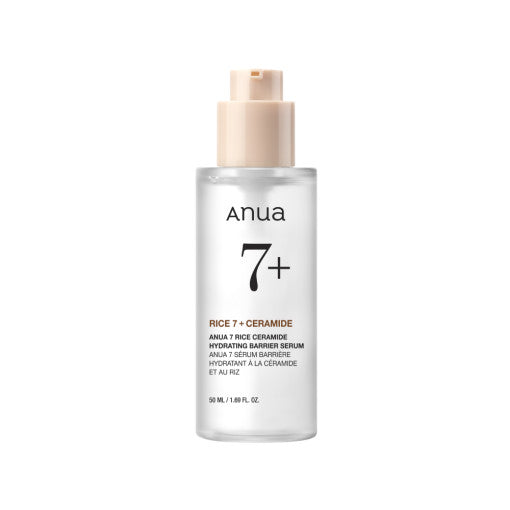
- الخطوة 2: ضع Anua RICE CERAMIDE 7 HYDRATING BARRIER SERUM لترطيب البشرة ودعم حاجزها بشكل أساسي.
- الخطوة 3: اختتم باستخدام LANEIGE Water Bank UV Barrier Sunscreen SPF50+ PA++++ للحماية من أضرار الأشعة فوق البنفسجية.
الروتين المسائي (PM)
- الخطوة 1: نظّف البشرة باستخدام celimax Dual Barrier Mild Gel Cleanser لإزالة الشوائب.
- الخطوة 2: ضع Anua RICE CERAMIDE 7 HYDRATING BARRIER SERUM لترطيب البشرة طوال الليل.
- الخطوة 3: استخدم COSRX Skin Barrier Moisturizing Cream لحبس الرطوبة داخل البشرة.
- الخطوة 4: مرة أو مرتين أسبوعيًا، ضعي Abib Rice Probiotics Overnight Mask Barrier Jelly لتغذية عميقة.
المنتجات الموصى بها
لإصلاح حاجز البشرة المتضرر بفعالية، فكّري في إدراج المنتجات التالية ضمن روتينك: 1. Anua RICE CERAMIDE 7 HYDRATING BARRIER SERUM: هذا السيروم غني بالسيراميدات ومستخلصات الأرز، ما يجعله خيارًا ممتازًا لترطيب البشرة وإصلاح حاجزها. 2. celimax Dual Barrier Mild Gel Cleanser: منظف لطيف يزيل الأوساخ بفعالية مع الحفاظ على رطوبة البشرة الطبيعية. 3. COSRX Skin Barrier Moisturizing Cream: يساعد هذا الكريم الغني بالمكونات المغذية على استعادة الرطوبة وتقوية حاجز البشرة. 4. LANEIGE Water Bank UV Barrier Sunscreen SPF50+ PA++++: واقٍ من الشمس أساسي للاستخدام نهارًا، يحمي من الأشعة فوق البنفسجية الضارة مع الحفاظ على ترطيب البشرة. 5. Abib Rice Probiotics Overnight Mask Barrier Jelly: قناع ليلي يمنح البشرة ترطيبًا ومغذيات مكثفة، وهو مثالي لتعزيز وظيفة الحاجز أثناء النوم.


الأسعار معروضة باليورو (EUR (€)). قد تختلف الأسعار حسب البلد والعملة.
توقعات واقعية: الجدول الزمني
أول 7 أيام
خلال الأسبوع الأول، قد تلاحظين انخفاضًا طفيفًا في التهيّج والجفاف مع بدء استجابة بشرتك للروتين الجديد.
بعد 14 يومًا
بحلول أسبوعين، يُفترض أن تلاحظي تحسنًا أكثر وضوحًا، مثل انخفاض الاحمرار وارتفاع مستويات ترطيب بشرتك.
بعد شهر واحد (30 يومًا)
بعد شهر، يُفترض أن يحقق الروتين المنتظم والمحافظ عليه تحسنًا ملحوظًا في ملمس البشرة، مع حاجز أكثر قوة وتوازنًا.
الأسئلة الشائعة
ما علامات تضرر حاجز البشرة؟
تشمل العلامات الشائعة الاحمرار المستمر، والجفاف، والتقشر، والشعور بالشد بعد التنظيف، وزيادة الحساسية.
كيف يمكنني تقوية حاجز بشرتي؟
يتضمن تعزيز حاجز البشرة استخدام مكوّنات مرطِّبة مثل السيراميدات، وتجنّب المنتجات القاسية، والالتزام بروتين ثابت للعناية بالبشرة.
ما المكوّنات التي ينبغي تجنّبها إذا كان حاجز بشرتي متضررًا؟
تجنّبي المنتجات التي تحتوي على الكحول والعطور القوية والمقشرات المركّزة، إذ قد تزيد من تهيّج البشرة.
هل يمكن أن يتسبب تضرر حاجز البشرة في ظهور البثور؟
نعم، فعندما يضعف حاجز البشرة، قد يؤدي ذلك إلى زيادة الحساسية والالتهاب، مما قد يحفّز ظهور البثور.
كم من الوقت يستغرق إصلاح حاجز البشرة المتضرر؟
يستغرق إصلاح حاجز البشرة المتضرر عادةً من 2-4 أسابيع مع العناية المنتظمة واستخدام المنتجات المناسبة.
هل يُعدّ واقي الشمس ضروريًا لإصلاح حاجز البشرة؟
بالتأكيد. يُعدّ واقي الشمس ضروريًا لحماية بشرتك من أضرار الأشعة فوق البنفسجية، التي قد تزيد من إضعاف الحاجز.
الخلاصة
في الختام، يُعدّ فهم علامات تضرر حاجز البشرة أمرًا ضروريًا لكل من يعاني من حساسية البشرة أو تهيّجها. ومن خلال التعرّف على هذه العلامات وتطبيق روتين مخصّص للعناية بالبشرة باستخدام المنتجات المناسبة، يمكنك العمل على استعادة صحة بشرتك وقدرتها على التحمّل. تذكّري أن التعافي يستغرق وقتًا، وأن الاستمرارية هي الأساس. أعطي الأولوية لصحة حاجز بشرتك، وستحصلين على بشرة أكثر نعومة وتوازنًا. لمزيد من الإرشادات حول روتينات العناية بالبشرة وتوصيات المنتجات، تابعي نصائح خبرائنا.
نبذة عنا K-Kare
K-Kare متجركِ المتخصص في مستحضرات التجميل الكورية، نوصل إليكِ أفضل المنتجات K-Beauty مباشرةً إلى باب منزلكِ. نختار منتجات فعّالة ومبتكرة من علامات تجارية رائدة، بدءًا من السيرومات والإيسنس وحتى المرطبات وواقيات الشمس.
كل منتج نقدّمه أصلي 100% ومختار بعناية. ومع خيارات الشحن العالمي وتقديرات التسليم التي تظهر عند الدفع لوجهتك، وأوروبا والشرق الأوسط وأمريكا اللاتينية، نسهّل عليك الاستمتاع بمنتجات العناية الكورية الأصلية بالبشرة أينما كنت.
شارك:
Sulwhasoo قبل وبعد: توقّعي نتائج حقيقية
هل مكونات Sulwhasoo جيدة لمكافحة الشيخوخة؟ إليكِ الرؤى