
The skin barrier is your body's first line of defense against environmental aggressors, and when it's compromised, the consequences can be frustrating and distressing. A damaged skin barrier can lead to various issues, such as dryness, irritation, and increased sensitivity, making it essential to restore its integrity. If you've been experiencing redness, flakiness, or a tight feeling on your skin, you're not alone. Many individuals face these challenges, especially those with sensitive or reactive skin. In this comprehensive guide, I will walk you through a tailored skincare routine for a damaged skin barrier, emphasizing the importance of gentle, restorative ingredients and effective application methods. You'll gain clarity on how to nurture your skin back to health, ensuring that your daily regimen supports barrier support rather than exacerbating the problem. Let’s dive into the essentials of caring for your skin's barrier and rebuilding your confidence in your skin’s health.
Medical Disclaimer
This article is for informational purposes only and should not be considered medical advice. It does not replace professional diagnosis, treatment, or personalized recommendations. If you have ongoing skin conditions, allergies, or experience irritation, we recommend consulting a qualified dermatologist or healthcare professional before starting or changing your skincare routine.
Is This Article For You?
Perfect For You If:
- Individuals with sensitive, reactive skin who experience irritation.
- Those suffering from conditions like rosacea or eczema.
- Anyone looking to strengthen their skin barrier after using harsh products.
Look Elsewhere If:
- People with active acne requiring targeted treatments.
- Those with skin conditions needing medical intervention.
- Individuals uninterested in K-Beauty or specific product recommendations.
Expert Explanation
The skin barrier, or stratum corneum, is the outermost layer of skin that serves as a protective shield against pollutants, bacteria, and irritants. When this barrier becomes damaged—often due to over-exfoliation, harsh ingredients, or environmental stressors—it can lead to symptoms such as redness, tightness, and increased sensitivity. Common mistakes in skincare routines, including using strong actives or neglecting hydration, can worsen a compromised barrier. Normal reactions to barrier damage include flakiness, stinging upon applying products, and a general sense of discomfort. Warning signs that your skin barrier might be struggling include persistent redness, breakouts in response to previously tolerated products, and an overall dull appearance. By understanding how to care for your skin barrier effectively, you can restore its function and enhance your skin’s health. Key practices include avoiding harsh ingredients, ensuring adequate hydration, and introducing barrier-supporting ingredients like ceramides and soothing botanicals. The right approach can significantly improve your skin's resilience and overall appearance.
Key Ingredients
When addressing a damaged skin barrier, certain key ingredients stand out for their restorative properties. Ceramides, for instance, are essential lipids that help to lock in moisture and strengthen the skin barrier. They mimic the natural fats in your skin, making them crucial for support. Another important ingredient is hyaluronic acid, which can hold up to 1,000 times its weight in water, providing hydration and plumping the skin. Additionally, ingredients like panthenol (vitamin B5) and allantoin are known for their soothing properties, helping to reduce irritation and redness while promoting supporting recovery. On the other hand, avoid ingredients such as alcohol, sulfates, and strong exfoliants, as they can further damage a compromised barrier. Instead, focus on gentle, hydrating formulas that prioritize skin health and comfort.
Recommended routine, step by step
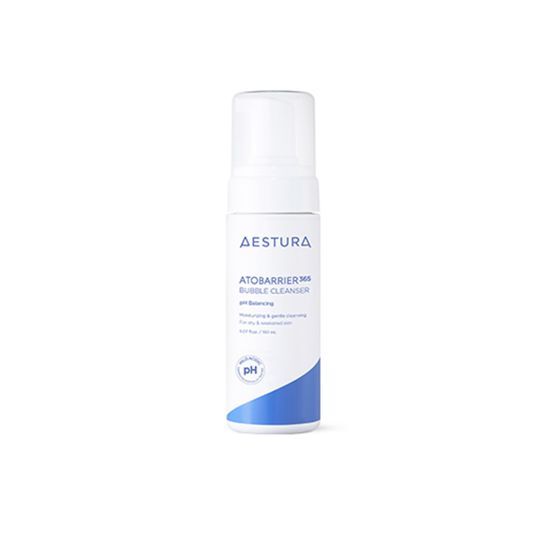
- Step 1: AESTURA ATOBARRIER 365 BUBBLE CLEANSER 150ml — introduce gradually and observe tolerance.
- Step 2: AESTURA Atobarrier 365 Gentle Foaming Cleanser 150ml — introduce gradually and observe tolerance.
- Step 3: AESTURA DERMA UV365 BARRIER HYDRO MINERAL SUNSCREEN 40ml — introduce gradually and observe tolerance.
Recommended Products by Step
A short selection that avoids mixing products from unrelated routines.

AESTURA ATOBARRIER 365 BUBBLE CLEANSER 150ml
Best for: a gentle routine aligned with this article mission.
Why it fits: selected by product type, availability, and relevance to the stated need.
Choose Cleanser
AESTURA Atobarrier 365 Gentle Foaming Cleanser 150ml
Best for: a gentle routine aligned with this article mission.
Why it fits: selected by product type, availability, and relevance to the stated need.
Choose Cleanser
AESTURA DERMA UV365 BARRIER HYDRO MINERAL SUNSCREEN 40ml
Best for: a gentle routine aligned with this article mission.
Why it fits: selected by product type, availability, and relevance to the stated need.
Choose Sun CreamRealistic expectations
Every skin response varies. Prioritize tolerance, comfort, and consistency; stop any product that causes discomfort and consult a professional if irritation persists.
No result is promised within a fixed timeline. Reintroduce actives only when skin feels comfortable and follow the product directions.
Frequently Asked Questions
What is the best way to support a damaged skin barrier?
The best way to support a damaged skin barrier is to adopt a gentle skincare routine that focuses on hydration and avoids harsh ingredients. Incorporating ceramides, hyaluronic acid, and soothing botanicals can significantly aid in the supporting recovery process.
How long does it take to support a damaged skin barrier?
supporting a damaged skin barrier can take anywhere from a week to several weeks, depending on the severity of the damage. Consistent use of restorative products will yield the best results over time.
Can I use active ingredients while supporting my skin barrier?
While some active ingredients can be beneficial, it's crucial to avoid strong exfoliants and irritants during the supporting recovery process. Focus on hydrating and soothing products instead.
What should I avoid for a damaged skin barrier?
Avoid products containing alcohol, strong fragrances, sulfates, and harsh exfoliants. These can further compromise your skin barrier and exacerbate irritation.
Is my skin type affecting my recovery?
Yes, individuals with sensitive or reactive skin may experience a longer recovery time. Tailoring your routine to your skin's specific needs is vital for effective supporting recovery.
Can diet impact skin barrier health?
Absolutely. A balanced diet rich in vitamins, omega fatty acids, and antioxidants can support skin barrier health from the inside out. Staying hydrated is also essential.
Conclusion
Restoring a damaged skin barrier is a process that requires patience and the right approach. By following this specialized skincare routine tailored for sensitive skin and incorporating the recommended products, you can nurture your skin back to health. Remember, consistency is key, and gradually, you will notice improvements in your skin’s texture and resilience. For ongoing support, consider exploring more resources on Korean skincare routines or professional consultations tailored to your unique skin needs.
About K-Kare
K-Kare is your dedicated Korean beauty store, bringing the best of K-Beauty directly to your door. We curate effective and innovative products from top brands — from serums and essences to moisturizers and sunscreens.
Every product we carry is 100% original and carefully selected. With worldwide Shipping options and delivery estimates are shown at checkout for your destination., Europe, the Middle East, and Latin America, we make it easy to enjoy authentic Korean skincare wherever you are.
Share:
How to Use Aestura Atobarrier Cream Effectively
Jung Kwan Jang Energy for Work: Boost Your Focus and Stamina