
Signes d’une barrière cutanée endommagée : comprendre et réparer
La barrière cutanée constitue votre première ligne de défense contre les agressions environnementales. Lorsqu’elle est fragilisée, elle peut entraîner toute une série de symptômes gênants. Si vous avez remarqué une sensibilité accrue, des rougeurs ou une sécheresse, il se peut que vous présentiez les signes d’une barrière cutanée endommagée. Comprendre ces signes est essentiel pour restaurer la santé et la résistance de votre peau. Dans cet article, nous examinerons les indicateurs courants d’une barrière cutanée en difficulté, l’importance de cette barrière et les soins à lui apporter pour favoriser sa récupération. Que vous ayez une peau sensible, de la rosacée ou de l’acné adulte, ce guide vise à vous apporter des explications claires et des mesures concrètes pour aider votre peau à retrouver sa santé.
Avertissement médical
Cet article est destiné à des fins d’information uniquement et ne doit pas être considéré comme un avis médical. Il ne remplace pas un diagnostic professionnel, un traitement ou des recommandations personnalisées. Si vous souffrez d’affections cutanées persistantes, d’allergies ou d’irritations, nous vous recommandons de consulter un dermatologue qualifié ou un professionnel de santé avant de commencer ou de modifier votre routine de soins de la peau.
Cet article est-il fait pour vous ?
Il vous conviendra parfaitement si :
- Vous présentez des rougeurs, des irritations ou une sécheresse.
- Vous avez une peau sensible et recherchez des solutions.
- Vous vous intéressez aux produits K-Beauty spécifiquement conçus pour réparer la barrière cutanée.
À éviter si :
- Vous ne rencontrez aucun problème cutané.
- Vous recherchez des traitements agressifs ou des solutions miracles à effet rapide.
Explications d’expert
La barrière cutanée, également appelée stratum corneum, est la couche la plus externe de la peau. Elle agit comme un bouclier protecteur contre les irritants extérieurs et empêche la perte d’hydratation. Une barrière cutanée endommagée peut être due à différents facteurs, notamment à des produits de soins trop agressifs, aux facteurs de stress environnementaux et à certaines affections cutanées comme l’eczéma ou la rosacée. Les symptômes courants d’une barrière cutanée endommagée comprennent des rougeurs persistantes, une sécheresse, des desquamations, une sensibilité accrue et même des poussées d’imperfections. Il arrive souvent que l’on commette des erreurs, comme une exfoliation excessive ou l’utilisation de produits contenant des ingrédients irritants, ce qui fragilise davantage la barrière. Les signes avant-coureurs auxquels vous devez prêter attention incluent une sensation de tiraillement après le nettoyage, des picotements lors de l’application des produits et une irritation visible. Comprendre ces signes est la première étape pour apaiser votre peau et restaurer son fonctionnement naturel. En prenant soin de votre peau avec des produits et une routine adaptés, vous pouvez renforcer efficacement votre barrière cutanée et obtenir un teint plus sain.
Ingrédients clés
Pour réparer efficacement une barrière cutanée endommagée, recherchez des ingrédients clés qui la renforcent et l’hydratent. Les céramides sont essentiels, car ils contribuent à restaurer la couche lipidique protectrice de la peau. L’acide hyaluronique est un autre ingrédient puissant qui attire l’humidité et aide ainsi la peau à rester hydratée. La niacinamide est appréciée pour ses propriétés anti-inflammatoires et sa capacité à améliorer la texture de la peau. Par ailleurs, les acides gras, comme ceux présents dans les huiles végétales, peuvent nourrir et soutenir la barrière. Les ingrédients à éviter comprennent les alcools et les parfums agressifs, qui peuvent aggraver les irritations et compromettre l’intégrité de la barrière. Comprendre le rôle de ces ingrédients vous aidera à faire des choix éclairés pour votre routine de soins.
Routine coréenne recommandée
Routine du matin (AM)
- Étape 1 : Utilisez celimax Dual Barrier Mild Gel Cleanser pour nettoyer délicatement la peau sans la dessécher.
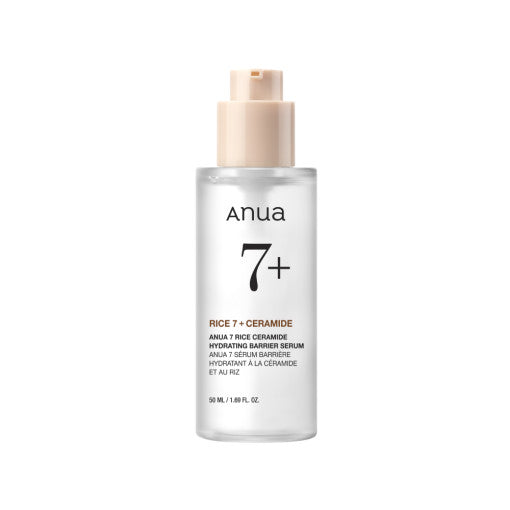
- Étape 2 : Appliquez Anua RICE CERAMIDE 7 HYDRATING BARRIER SERUM pour une hydratation essentielle et soutenir la barrière cutanée.
- Étape 3 : Terminez avec LANEIGE Water Bank UV Barrier Sunscreen SPF50+ PA++++ pour protéger la peau des dommages causés par les UV.
Routine du soir (PM)
- Étape 1 : Nettoyez avec celimax Dual Barrier Mild Gel Cleanser pour éliminer les impuretés.
- Étape 2 : Appliquez Anua RICE CERAMIDE 7 HYDRATING BARRIER SERUM pour hydrater la peau pendant la nuit.
- Étape 3 : Utilisez COSRX Skin Barrier Moisturizing Cream pour préserver l’hydratation.
- Étape 4 : Une à deux fois par semaine, appliquez Abib Rice Probiotics Overnight Mask Barrier Jelly pour nourrir intensément la peau.
Produits recommandés
Pour contribuer efficacement à réparer votre barrière cutanée fragilisée, envisagez d’intégrer les produits suivants à votre routine : 1. Anua RICE CERAMIDE 7 HYDRATING BARRIER SERUM: Ce sérum est riche en céramides et en extraits de riz, ce qui en fait un excellent choix pour hydrater la peau et réparer sa barrière. 2. celimax Dual Barrier Mild Gel Cleanser: Un nettoyant doux qui élimine efficacement les impuretés tout en préservant l’hydratation naturelle de la peau. 3. COSRX Skin Barrier Moisturizing Cream: Riche en ingrédients nourrissants, cette crème aide à restaurer l’hydratation et à renforcer la barrière cutanée. 4. LANEIGE Water Bank UV Barrier Sunscreen SPF50+ PA++++: Indispensable le jour, cette protection solaire protège des rayons UV nocifs tout en maintenant la peau hydratée. 5. Abib Rice Probiotics Overnight Mask Barrier Jelly: Un masque de nuit qui apporte une hydratation et des nutriments intenses, idéal pour favoriser la fonction barrière pendant le sommeil.


Prix affichés en EUR (€). Les prix peuvent varier selon le pays et la devise.
Attentes réalistes : calendrier
Les 7 premiers jours
Au cours de la première semaine, vous pourriez constater une légère diminution des irritations et de la sécheresse, tandis que votre peau commence à s’adapter à cette nouvelle routine.
Après 14 jours
Au bout de deux semaines, vous devriez constater des améliorations plus significatives, comme une réduction des rougeurs et une meilleure hydratation de la peau.
Au bout d’un mois (30 jours)
Après un mois, une routine bien suivie devrait améliorer visiblement la texture de la peau, avec une barrière plus résistante et équilibrée.
Questions fréquentes
Quels sont les signes d’une barrière cutanée endommagée ?
Les signes courants comprennent des rougeurs persistantes, une sécheresse, des desquamations, une sensation de tiraillement après le nettoyage et une sensibilité accrue.
Comment renforcer ma barrière cutanée ?
Pour renforcer votre barrière cutanée, utilisez des ingrédients hydratants comme les céramides, évitez les produits agressifs et adoptez une routine de soins régulière.
Quels ingrédients dois-je éviter si ma barrière cutanée est endommagée ?
Évitez les produits contenant de l’alcool, des parfums agressifs et des exfoliants puissants susceptibles d’irriter davantage la peau.
Une barrière cutanée endommagée peut-elle provoquer des imperfections ?
Oui, lorsque la barrière cutanée est fragilisée, elle peut entraîner une sensibilité et une inflammation accrues, susceptibles de provoquer des imperfections.
Combien de temps faut-il pour réparer une barrière cutanée endommagée ?
La réparation d’une barrière cutanée endommagée prend généralement 2 à 4 semaines avec des soins réguliers et des produits adaptés.
La crème solaire est-elle nécessaire pour réparer la barrière cutanée ?
Absolument. La crème solaire est essentielle pour protéger votre peau des dommages causés par les UV, qui peuvent fragiliser davantage la barrière cutanée.
Conclusion
En conclusion, comprendre les signes d’une barrière cutanée endommagée est essentiel pour toute personne souffrant de sensibilité ou d’irritation cutanée. En identifiant ces signes et en adoptant une routine de soins personnalisée avec des produits adaptés, vous pouvez contribuer à restaurer la santé et la résistance de votre peau. N’oubliez pas que la réparation prend du temps et que la régularité est essentielle. Accordez la priorité à la santé de votre barrière cutanée : votre teint sera plus lisse et plus équilibré. Pour découvrir d’autres conseils sur les routines de soins et les recommandations de produits, restez à l’écoute de nos conseils d’experts.
À propos K-Kare
K-Kare est votre boutique dédiée à la beauté coréenne, qui vous livre le meilleur de K-Beauty directement à votre porte. Nous sélectionnons des produits efficaces et innovants de grandes marques, des sérums et essences aux hydratants et écrans solaires.
Chaque produit que nous proposons est 100 % authentique et soigneusement sélectionné. Grâce à des options d’expédition internationale — les options d’expédition et les estimations de livraison sont affichées lors du paiement pour votre destination — vers l’Europe, le Moyen-Orient et l’Amérique latine, nous vous permettons de profiter facilement de soins coréens authentiques où que vous soyez.
Partager:
Sulwhasoo avant et après : des résultats concrets à attendre
Les ingrédients de Sulwhasoo sont-ils efficaces contre les signes de l’âge ? Découvrez notre analyse